

3 limiting factors of cycling performance
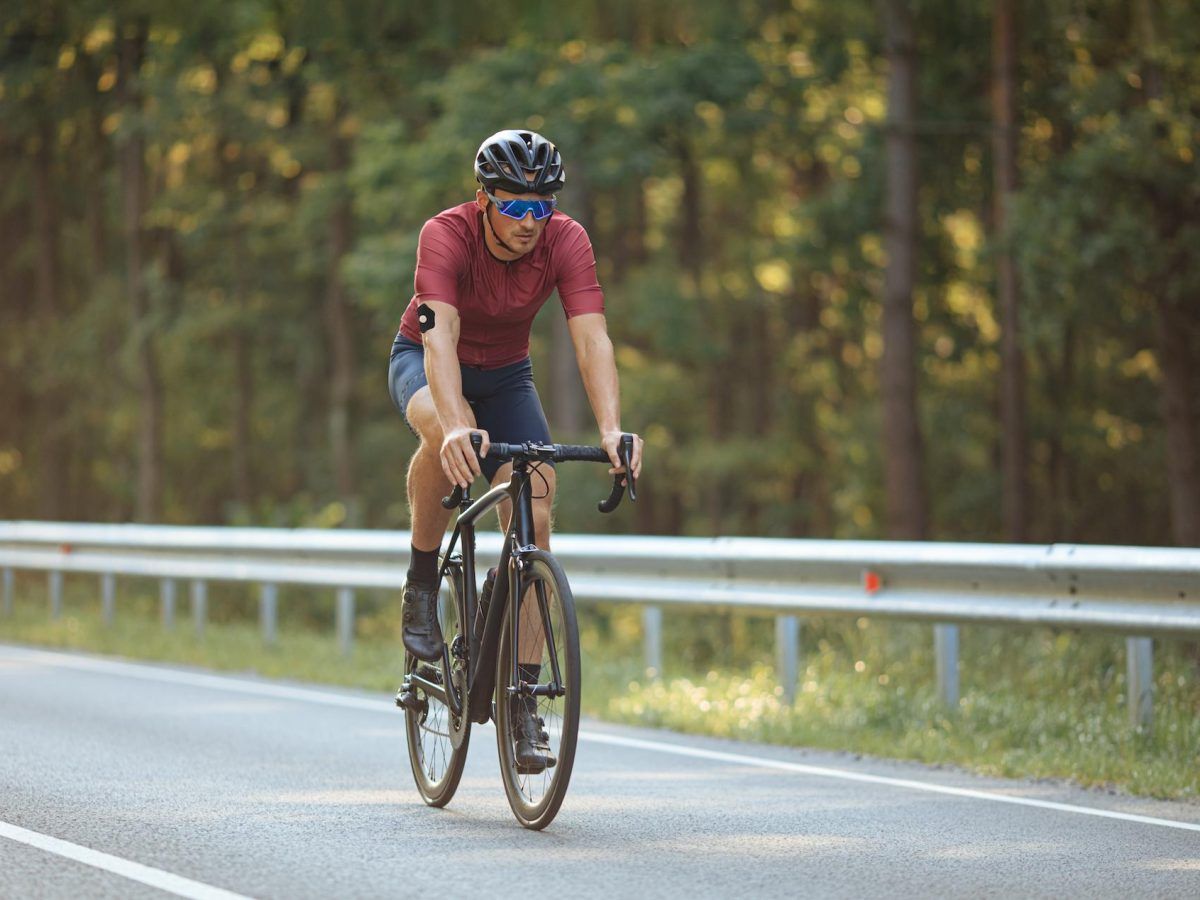
Hi Vibers! Today, we’re going to talk about the factors that limit athletic performance in cycling. Many of you practice cycling, and we’re sure what we’re about to cover in this post might sound familiar. Did you know that the main limiting factors for performance are dehydration, hyponatremia, and hypoglycemia? Stay tuned as we explain what they are, their consequences, and share some tips to help you avoid them.
Dehydration
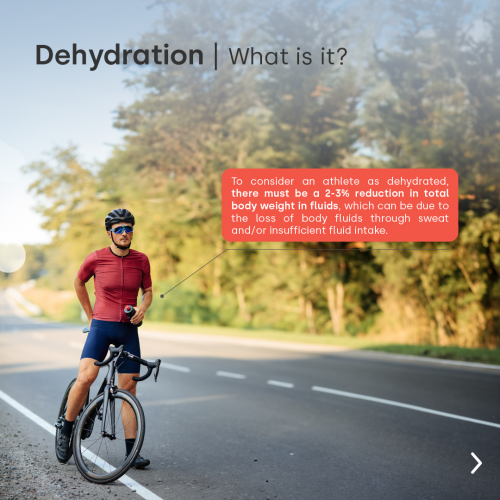
Dehydration is one of the most common issues in endurance sports, such as cycling. A cyclist is considered dehydrated if there is a 2-3% decrease in total body weight due to fluid loss, which can occur from sweating and/or insufficient fluid intake.
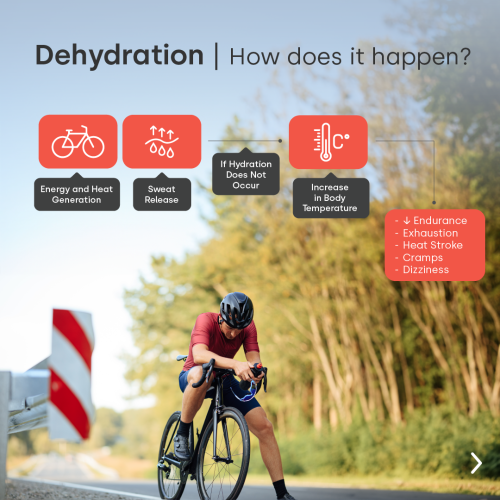
While cycling, a lot of energy and heat is generated. This heat is released through sweating, and if you are not properly hydrated, this process becomes inefficient, potentially leading to an increase in body temperature. This can result in decreased endurance, exhaustion, heat stroke, cramps, dizziness, and even critical health situations.
To avoid these negative impacts on performance, it’s crucial to stay well-hydrated. It’s not only important to hydrate during exercise but also to ensure you start in a state of euhydration (normal hydration state) by drinking enough water throughout the day before your training, race, or competition.
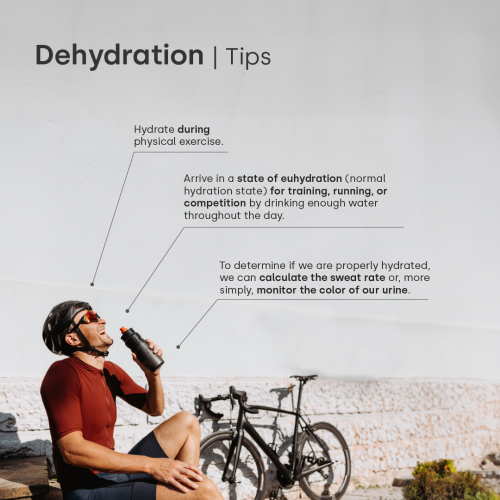
🧐 To determine if you’re well-hydrated, you can calculate your sweat rate or, more simply, monitor the color of your urine. We’ll cover this topic in more detail in upcoming posts.
Hyponatremia
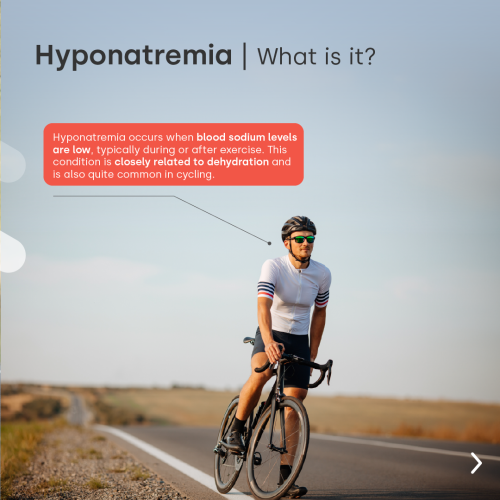
Hyponatremia occurs when blood sodium levels are too low, which generally happens during or after exercise. This condition is closely related to dehydration, as previously discussed, and is also common in cycling.
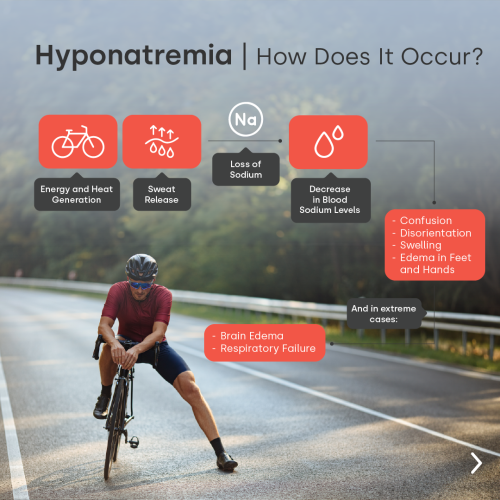
Sweating leads to significant sodium loss, and if it is not replenished adequately, blood sodium levels can drop. This may cause symptoms such as confusion or disorientation, swelling and edema in the feet and hands, and in more severe cases, brain edema and respiratory failure.
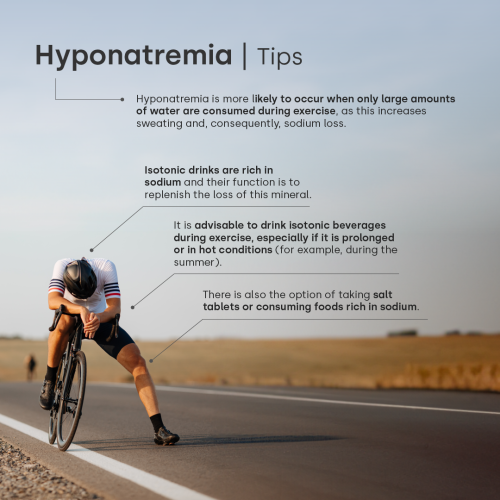
Hyponatremia is more likely to occur if only large amounts of water are consumed during exercise, as this increases sweating and sodium loss. As many of you may know, sports drinks contain sodium and are designed to replace this mineral lost through sweat. Therefore, it is recommended to consume isotonic drinks during exercise, especially for long durations or in hot conditions (e.g., summer). Alternatively, you can take salt tablets or eat sodium-rich foods.
🧐 For many years, Aquarius has been considered a sports drink, but did you know that consuming this beverage can lead to hyponatremia during high-intensity exercise? This is due to its low sodium content, providing less than half of what is needed for proper mineral replenishment in a sports drink. The same issue occurs with many other beverages that are mistakenly labeled as sports drinks. We will discuss this in more detail later, so stay tuned!
Hypoglycemia
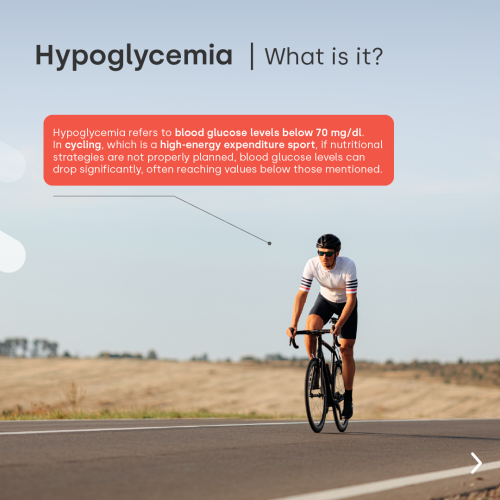
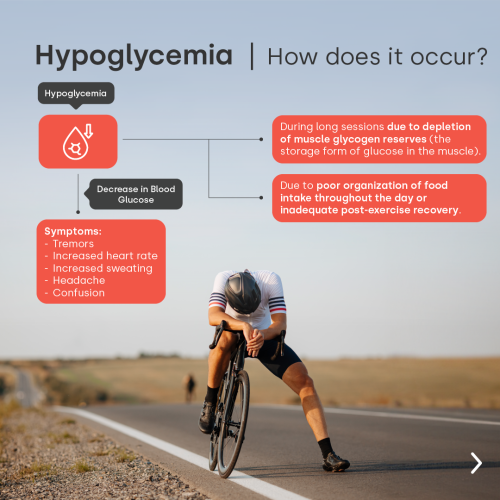
If you’re a Viber, you likely know what hypoglycemia is. For those who don’t, it refers to blood glucose levels below 70 mg/dl. In cycling, which is an energy-intensive sport, inadequate nutritional planning can lead to significantly decreased glucose levels, often falling below this threshold.
Hypoglycemia can occur during long rides, particularly towards the end, due to depletion of muscle glycogen stores (the storage form of glucose in muscles). It can also result from poor meal timing throughout the day or inadequate post-exercise recovery. This drop in blood glucose can cause symptoms such as shaking, increased heart rate, sweating, headache, and confusion.
Glycogen stores are limited and get depleted during high-intensity and prolonged exercise. Since carbohydrates are the primary source of energy in cycling, especially at moderate to high intensities, it is crucial to focus on carbohydrate intake before, during, and after exercise to prevent hypoglycemia and optimize performance. For rides or events lasting over an hour, consuming easily digestible carbohydrate-rich foods every 30 minutes, such as gels, bars, quince paste, or dates, is recommended.

🧐 Hypoglycemia during exercise can indicate inadequate glucose availability to meet the energy demands of the activity. This impairs performance and proper recovery. Additionally, it negatively affects nighttime blood glucose levels, leading to poorer sleep quality and reduced energy upon waking the next day, which compromises recovery from previous efforts.
Conclusions
Dehydration, hyponatremia, and hypoglycemia are common factors in cycling that limit athletic performance and cause unpleasant symptoms, which can sometimes lead to more serious health issues. Have you ever experienced any of these symptoms and weren’t sure what was causing them? After reading this post, you should have a better understanding of their causes and how to prevent them. If you still have questions, need personalized advice, or are preparing for an upcoming event, don’t hesitate to contact us. We’ll be happy to help you perform your best on the bike!
References
- [1] Martínez-Sanz JM, Fernández Núñez A, Sospedra I et al. Nutrition-Related Adverse outcomes in Endurance Sports Competitions: A Review of Incidence and Practical Recommendations. Int J Environ Res Public Health. 2020; 17(11): 4082.
- [2] Meyer F, Timmons BW, Wilk B, Leites GT. Water: hydration and sports drink. Nutrition and Enhanced Sports Performance (second edition). Academic Press. 2019; 545-554.
- [3] Carlton A, Orr RM. The effects of fluid loss on physical performance: A critical review. J Sport Health Sci. 2015; 4(4), 357-363.
- [4] Palacios N, Franco L, Manonelles P, Manuz B, Villa JA. Consenso sobre bebidas para el deportista. Composición y pautas de reposición de líquidos. Documento de consenso de la Federación Española de Medicina del Deporte. Arch Med Dep. 2008; 25(126): 245-58.
- [5] González Gross MM, Aparicio-Ugarriza R, Mielgo-Ayuso J, Fuentes-Jiménez F. Nutrición en la planificación de la temporada. Nutrición Deportiva. Desde la fisiología a la práctica. 1a ed. Madrid: Editorial Médica Panamericana; 2020.
- [6] Burke L, Nutrición en el deporte. Un enfoque práctico. 1a ed. Madrid: Editorial Médica Panamericana; 2010.
- [7] Burke L, Deakin V. Clinical Sport Nutrition. 5a ed. Australia: McGraw Hill Education; 2015.