

Menopause, diet and glucose

Continuing with the topic of women’s health, today we will discuss menopause. Menopause is the stage in a woman’s life characterized by the end of menstruation, typically occurring in middle age when most women are still healthy and vigorous. To maintain optimal health during this stage of life, it is crucial to lead a healthy lifestyle by paying attention to diet, rest, and exercise. If you want to learn how to take care of yourself and understand the relationship between menopause, diet, and glucose, keep reading:
Menopause
This process results from the reduction in the secretion of the ovarian hormones estrogen and progesterone, which occurs as the ovarian follicle reserve diminishes.
Natural menopause is diagnosed after 12 months of amenorrhea not associated with a pathological cause. Initially, menstrual cycle duration becomes irregular, and follicle-stimulating hormone (FSH) levels increase in response to decreased ovarian hormone levels. As the menopausal transition progresses, menstrual cycles become irregular, and eventually, ovulation ceases. For some women, 3 consecutive months of amenorrhea, or an average cycle length of 42 days, are indicators of impending menopause.
Menopausal transition typically begins in the mid to late 40s and can last several years, usually 4 to 5 years. The final menstrual period usually occurs between the ages of 40 and 58, and it is considered premature if it happens before age 40. Population studies suggest that smoking and low socioeconomic status are associated with premature menopause. Other factors that can affect the age at which women experience their final menstruation include age at menarche, previous use of oral contraceptives, body mass index, ethnic background, and family history.
Many symptoms are attributed to menopause, but only vasomotor dysfunction and vaginal dryness are systematically associated with this life stage in epidemiological studies. Other common symptoms, such as mood swings, sleep disturbances, urinary incontinence, cognitive changes, sexual dysfunction, and decreased quality of life, may be secondary to other symptoms or related to other causes.

Menopause and cardiovascular risk
Women have a lower risk of cardiovascular disease compared to men. This lower risk is primarily associated with the protective role of estrogens (4). It is important to note that women benefit from this effect until menopause, a stage characterized by a physiological decline in estrogen levels.
Due to this hormonal change, it is very common for women to gain weight during this period, averaging 5 kg over 36 months (5). Simultaneously, they also experience a redistribution of body fat from a gynoid pattern (gluteofemoral fat) to an android pattern (central fat). This situation is linked to an increased risk of cardiovascular disease (4).
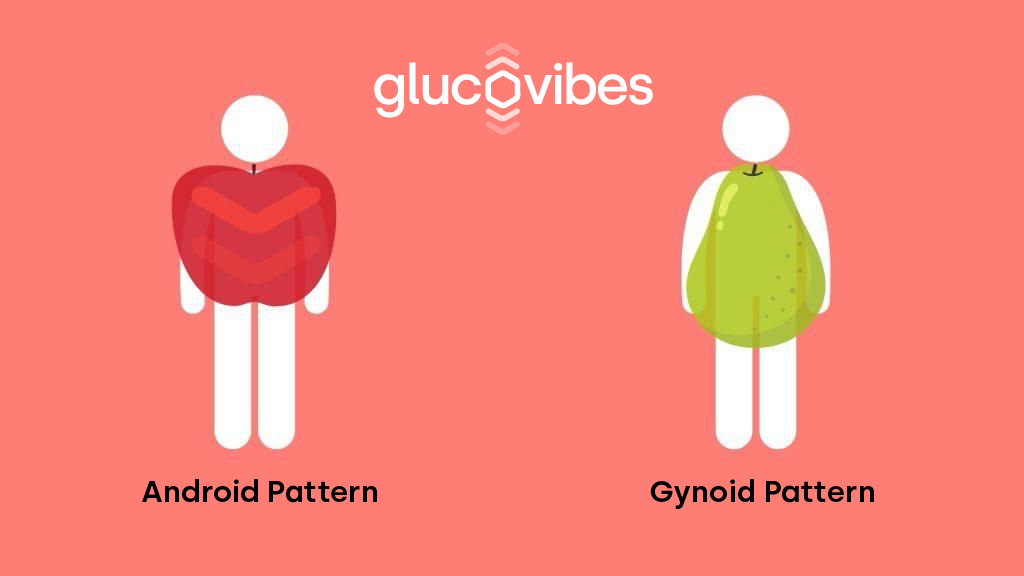
An increase in body fat, in both men and women, is associated with harmful effects on insulin resistance, elevated plasma lipids, and blood pressure. These changes are exacerbated in postmenopausal women due to the lack of estrogens, leading to insulin resistance which results in high circulating insulin levels, causing greater fluctuations in blood glucose levels and leading to sodium and fluid retention. This can result in hypertension and congestive heart failure (5).
Considering that cardiovascular disease is the greatest risk associated with menopause, a balanced diet combined with physical exercise is crucial to reducing the risk of developing it. Maintaining stable blood glucose levels is related to better cardiovascular health, so dietary choices and their combinations are very important. In a previous article, we provided our best glucose tips to help keep your blood glucose levels stable.
Diet and menopause
Hormonal and metabolic changes during this stage decrease estrogen levels and can reduce bone density, increasing the risk of osteoporosis. Therefore, increasing calcium intake helps maintain healthy bones. Calcium is not only found in dairy products but also in nuts and seeds (such as sesame, pumpkin seeds, sunflower seeds), whole grains, green vegetables (like broccoli, spinach, chard, and chicory), and small fish with bones like sardines.
To ensure calcium is fully absorbed and deposited in the bones, it should be combined with foods rich in vitamin D, which is mainly found in oily fish and eggs. Additionally, the body can produce this vitamin through sun exposure. Therefore, exercising and walking outdoors whenever possible is beneficial. An exposure of 15 to 30 minutes a day to sunlight on the face and arms is sufficient.
In general, it is advisable to increase the intake of fruits, vegetables, legumes, whole grains, and nuts. All these foods are common in a healthy diet. On the other hand, processed products like pastries, industrial pizzas, any industrial preparations with high sodium content, vegetable oils, and hydrogenated or trans fats are not recommended due to their excess salt, calories, and unhealthy fats.
Don’t forget about protein consumption. Prioritize plant-based proteins (including legumes such as soy, cereals, and nuts) and lean meats without fat.
As with any healthy and balanced diet, nutrition during menopause should include the necessary vitamins, minerals, and nutrients to alleviate issues arising from this stage.
Additionally, physical exercise and staying active are crucial. Exercise reduces muscle loss, increases calorie expenditure, and strengthens bones while improving cardiovascular health.
Finally, one of the best ways to maintain overall health during this stage is to monitor your blood glucose levels, which are related to your entire lifestyle. Personalized tracking of body changes can help ensure a smooth transition without discomfort or unexpected symptoms.
References
- [1] Dudley EC, Hopper JL, Taff e J, Guthrie JR, Burger HG, Dennerstein L. Using longitudinal data to define the perimenopause by menstrual cycle characteristics. Climacteric 1998; 1: 18–25.
- [2] Melby MK, Lock M, Kaufert P. Culture and symptom reporting at menopause. Hum Reprod Update; 11: 495–512
- [3] Nelson HD. Menopause. Lancet. 2008 Mar 1;371(9614):760-70.
- [4] Newson L. Menopause and cardiovascular disease. Post Reprod Health. 2018 Mar;24(1):44-49.
- [5] Rosano GM, Vitale C, Marazzi G, Volterrani M. Menopause and cardiovascular disease: the evidence. Climacteric. 2007 Feb;10 Suppl 1:19-24.