

10 tips for managing gestational diabetes
As we discussed in our podcast “Are You Pregnant? Optimize Your Nutrition and Take Care of Your Baby,” pregnancy is a physiological state that involves significant changes in a woman’s body. One of the more common, and sometimes less known, conditions is gestational diabetes. Do you know what it really is? It’s a disturbance in carbohydrate metabolism not caused by a lack of insulin (the hormone that allows glucose to enter cells and be used as an energy source) but by hormones blocking the insulin produced. To prevent its effects and enjoy a smooth pregnancy, here are 10 tips for managing gestational diabetes.
Here are our top tips for managing gestational diabetes and enjoying a calm and healthy pregnancy.
There are several risk factors: being over 30 years old, having a past obstetric history (such as gestational diabetes, pregnancy-induced hypertension, recurrent miscarriages), use of medications like corticosteroids, obesity, and a family history of diabetes among first-degree relatives (1).
While not all risk factors can be controlled, you can improve your daily life to prevent some of them.
Aim to gain the necessary weight gradually
Gaining weight progressively is crucial for maintaining optimal health during this stage of life.
The myth that you need to “eat for two” during pregnancy is not accurate. In the first trimester, it’s recommended to increase your intake by about 150 extra kcal per day, and in the remainder of the pregnancy, by 350 kcal per day (2).
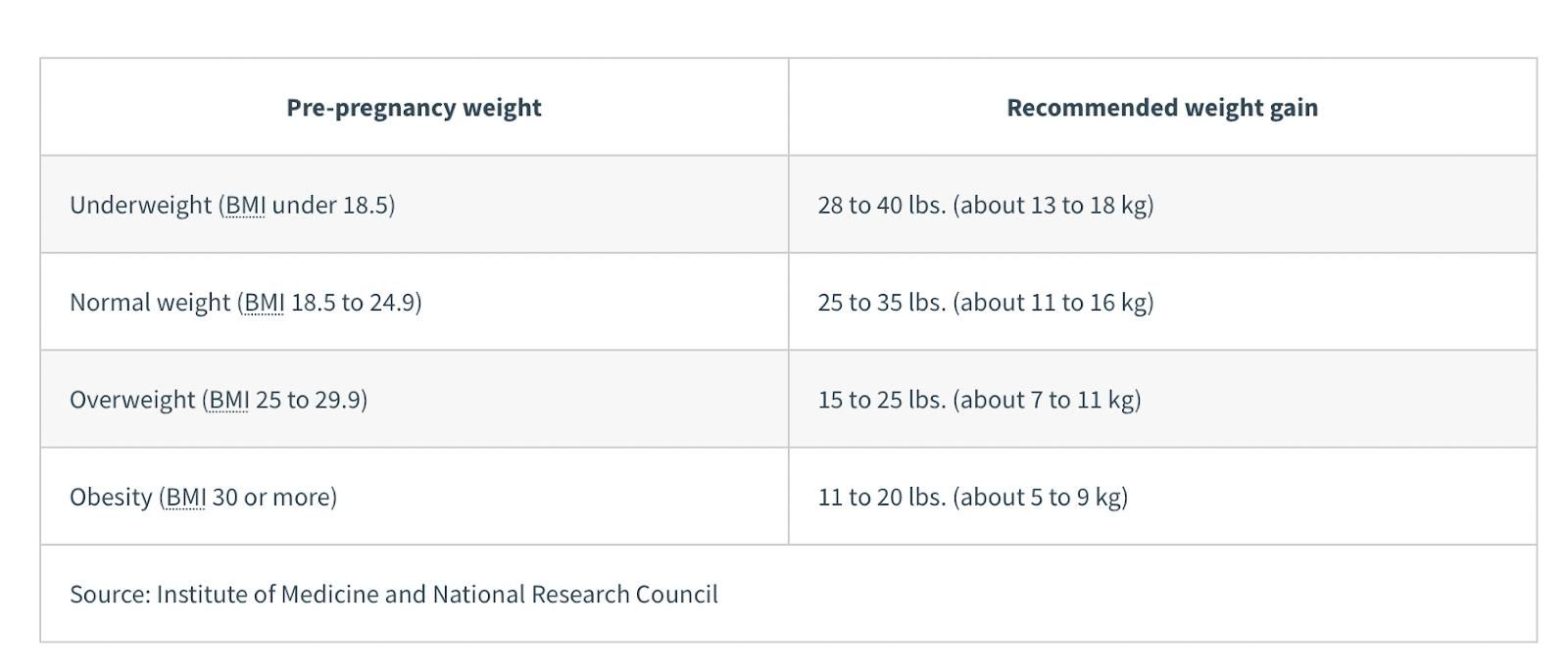
Women with a normal weight are advised to gain between 11.5 and 16 kg during pregnancy (3). The recommended figures are lower for those with a higher body mass index (BMI), as excessive weight gain in these women increases the risk of developing gestational diabetes.
Stay active with moderate, low-impact exercise
Moderate exercise during pregnancy helps control excessive maternal weight gain and also acts as a preventive factor for gestational diabetes.
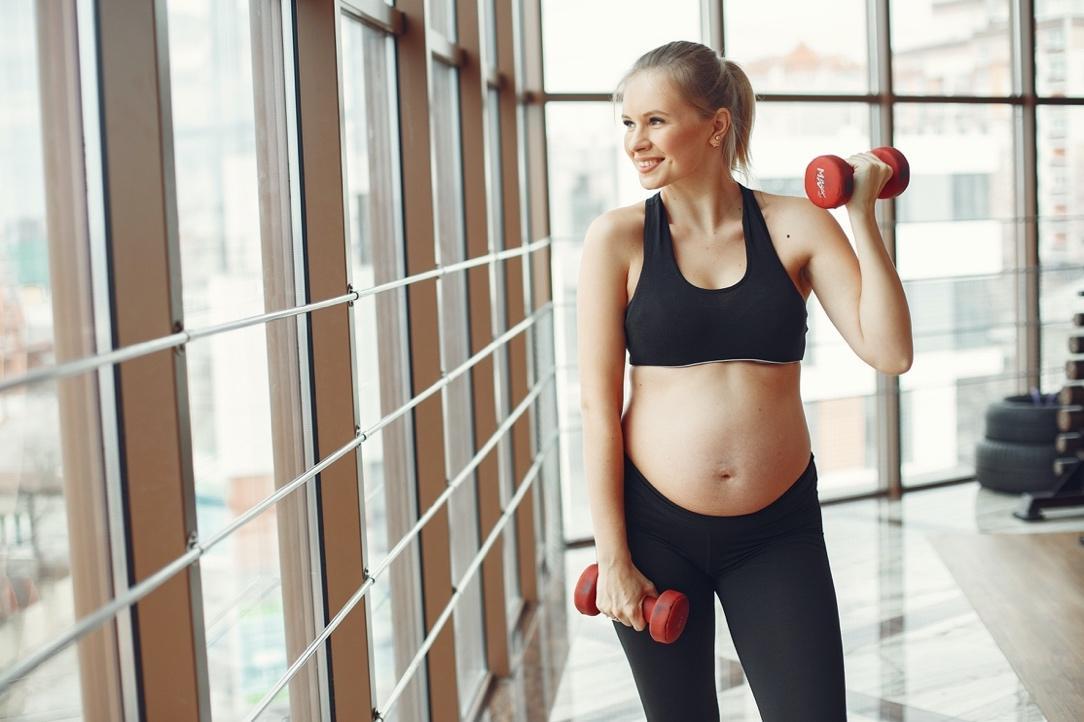
Staying active (through walking, swimming, water aerobics, yoga, or Pilates) is important during a healthy pregnancy. However, it is always essential to consult a professional before starting any exercise regimen to ensure minimal risks and maximum benefits, as recommendations may change if complications arise during pregnancy.
According to the Revista Andaluza de Medicina del Deporte, “it has been specifically demonstrated that physical exercise plays a role in preventing preeclampsia, gestational diabetes, excessive maternal weight gain, improving pregnancy outcomes, stabilizing the mother’s mood, reducing the risk of varicose veins, decreasing the risk of venous thrombosis, lowering levels of dyspnea, and reducing the occurrence of episodes of low back pain” (4).
Additionally, exercise offers benefits such as improved cardiovascular and muscular condition, reduced risk of postpartum depression, increased pain tolerance, and better physical recovery after childbirth (7).
Have five or six meals throughout the day
This approach results in a much more efficient energy metabolism and a more balanced distribution of nutrients throughout the day.
It’s important to note that proper nutrition helps prevent maternal illnesses during and after pregnancy, and it also reduces the risk of fetal development issues such as preterm birth or low birth weight (5).
Increase your fiber intake
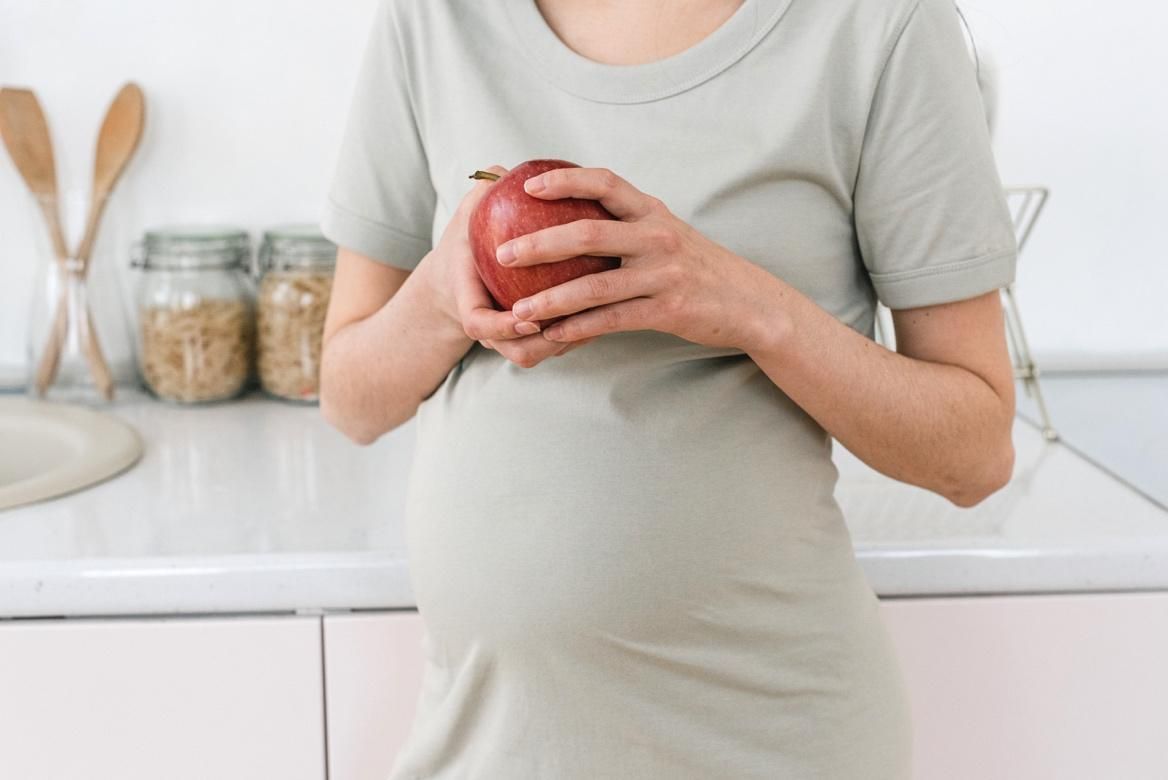
Fiber can slow down both digestion and the absorption of food, including glucose.
What foods contain fiber?
- Vegetables: lettuce, spinach, Swiss chard, asparagus, carrots, broccoli, squash…
- Nuts and seeds: walnuts, almonds, sunflower seeds…
- Whole grains: brown rice, bran, cereals, quinoa.
- Fruits: apple, figs, banana, tangerine, plums…
- Legumes: lentils, beans, chickpeas…
Monitor your intake of rapidly absorbed carbohydrates
It’s important to monitor rapidly absorbed carbohydrates (such as those found in processed pastries) because they have the greatest impact on blood glucose levels. However, carbohydrates should still be a significant part of your diet, ideally in the form of complex carbohydrates (such as potatoes, sweet potatoes, or legumes).
Prioritize eating whole fruit instead of drinking fruit juice
Whole fruit has a high fiber content, which slows the absorption of sugars and increases satiety.
In contrast, juice, being composed of more fruit and thus higher in calories, is less satisfying and is absorbed more quickly. This is because juicing or blending fruit removes some of the nutrients, such as fiber and certain vitamins.
Say no to alcohol and tobacco
It’s a well-known fact, but still worth reiterating. According to the NIH (National Institute on Drug Abuse), the adverse effects of smoking during pregnancy include:
- Premature birth
- Restricted growth of the baby’s head
- Increased risk of miscarriage or stillbirth
And among the consequences of consuming any type of alcoholic beverage:
- Risk of miscarriage
- Sudden Infant Death Syndrome (SIDS)
- Fetal Alcohol Spectrum Disorders (FASD): low birth weight, difficulties with eating, sleeping, seeing, hearing, attention, cognitive and behavioral issues, etc.
These disorders can persist for the baby’s entire life (6).
Stay hydrated!
Another classic: don’t forget to drink water. Among many benefits, good hydration, combined with physical exercise, can reduce constipation due to increased intestinal mobility (7).
Increase your intake of vitamins and minerals
Such as folic acid, iron, and calcium.
During pregnancy, there is a change in the requirements for energy, proteins, vitamins, and minerals due to physiological changes and changes in body composition. Therefore, a pregnant woman’s diet must adequately provide these nutrients to ensure her health and that of the fetus, supporting proper growth and development, and ensuring reserves for the breastfeeding stage.
Examples of foods that are sources of:
- FOLIC ACID: Leafy green vegetables, nuts… (Doctors recommend supplementing this nutrient to prevent neural tube defects in the baby).
- CALCIUM: Milk, cheese, yogurt, spinach (always pasteurized dairy products), fortified foods, broccoli…
Monitor your glucose levels
Yes, in addition to all the previous recommendations (monitoring and managing your diet, staying active, managing stress and anxiety, etc.), controlling and monitoring your glucose levels will help you observe changes in your blood glucose levels, improve your overall health, and manage weight gain more effectively during pregnancy.
Managing weight gain during pregnancy is crucial for your health and that of your future child, preventing associated morbidity in the mother and potential consequences for the child of a diabetic mother (such as perinatal asphyxia, obstetric trauma, and hypoglycemia).
GlucoVibes is a tool that encompasses all these parameters and offers personalized medical and nutritional monitoring, either through your own healthcare professional or our team. Contact us, and we’ll provide you with all the information you need to start caring for your pregnancy and optimizing your nutrition.
Y, ¿qué pasa con los famosos antojos?
It’s normal to have cravings during pregnancy due to hormonal changes. Common cravings often include chocolate, homemade meals, ice cream, white bread, and fruit. While it’s not necessary to completely ban these foods, it’s advisable to ensure that indulgent or sweet foods do not replace healthier options like fruits and vegetables.
The goal isn’t to completely forbid yourself from enjoying an occasional unhealthy craving—feel free to indulge now and then! The important thing is to find balance and avoid overdoing it.
References
- [1] Mónica E, Almirón SC, Gamarra MS. DIABETES GESTACIONAL. Revista de Posgrado de la VIa Cátedra de Medicina; 2005; (152).
- [2] Unican.es. [citado el 14 de marzo de 2022]. Disponible en: https://repositorio.unican.es/xmlui/bitstream/handle/10902/3948/SanRomanDiegoMA.pdf?sequence=1&isAllowed=y
- [3] Pregnancy Weight Gain [Internet]. American Pregnancy Association. 2020 [citado el 14 de marzo de 2022]. Disponible en: https://americanpregnancy.org/healthy-pregnancy/pregnancy-health-wellness/pregnancy-weight-gain/
- [4] Mata, F., Chulvi, I., Roig, J., Heredia, J.R., Isidro, F., Benítez Sillero, J.D., Guillén del Castillo, M., Prescripción del ejercicio físico durante el embarazo. Revista Andaluza de Medicina del Deporte. 2010;3(2):68-79.
- [5] Ríos PB. La importancia de la alimentación en el embarazo. Su significado en trastornos de la conducta alimentaria. Trastornos de la Conducta Alimentaria; 2010; (11):1196-1230
- [6] El alcohol y Su embarazo (alcohol and your pregnancy) [Internet]. Nih.gov. [citado el 14 de marzo de 2022]. Disponible en: https://www.niaaa.nih.gov/publications/brochures-and-fact-sheets/el-alcohol-y-su-embarazo-alcohol-and-your-pregnancy
- [7] Juan Valenciano A. EJERCICIO FÍSICO DURANTE EL EMBARAZO. [Valladolid, Esp]: Universidad de Valladolid ; 2019. Disponible en: https://uvadoc.uva.es/bitstream/handle/10324/36857/TFG-H1610.pdf?sequence=1&isAllowed=y