

Everything you need to know about proteins

We know that we need to eat proteins, and we consume them without realizing it: they are present in many of the foods we eat, such as fish, eggs, legumes, and more. However, their importance is often underestimated. In reality, a high protein intake is essential for the proper functioning of our body. We’ll cover everything you need to know about proteins: what they are, their functions (far beyond just repairing tissues), the foods in which you can find them, and the amount you should consume.
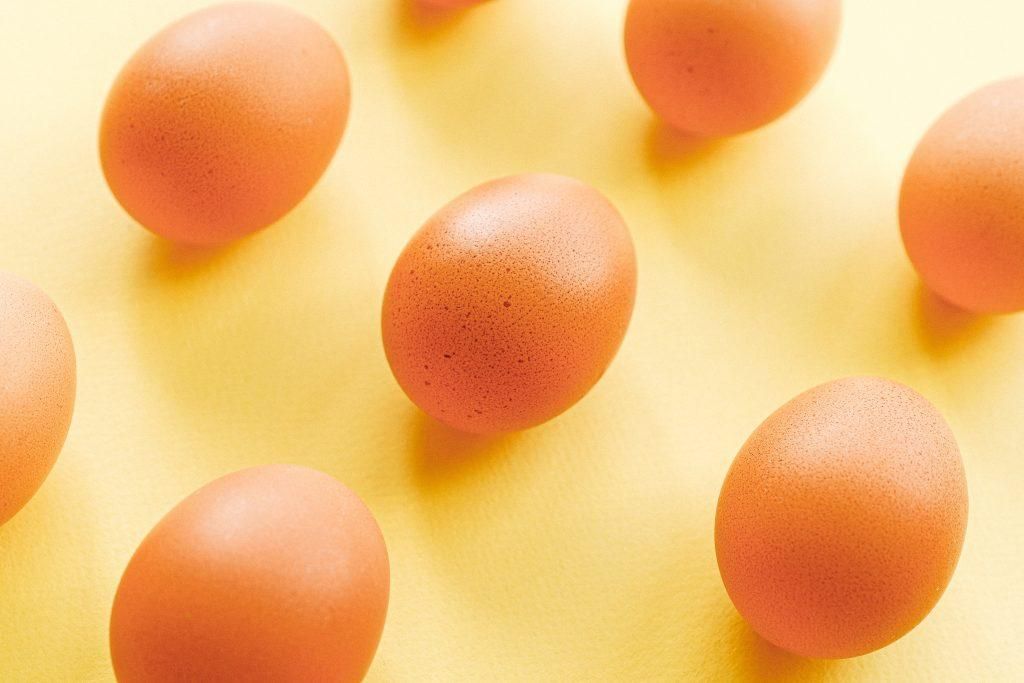
What are proteins?
Proteins are one of the three macronutrients that we need to consume in large amounts (in grams) through our diet (the other two are fats and carbohydrates). The basic unit of proteins is amino acids. These amino acids are linked together by peptide bonds (the bond between two amino acids) to form a three-dimensional structure. Each protein has a unique three-dimensional structure, which ultimately determines its biological function.
All proteins are made up of 20 different amino acids, which can be classified into essential and non-essential.
- Essential amino acids: These must be obtained through the diet because the body cannot produce them. The 9 essential amino acids are: leucine, lysine, methionine, histidine, isoleucine, phenylalanine, threonine, tryptophan, and valine.
- Non-essential amino acids: These can be produced by our body if they are not obtained from dietary sources. The 11 non-essential amino acids are: alanine, arginine, asparagine, aspartic acid, cysteine, glutamic acid, glutamine, glycine, proline, serine, and tyrosine.
What do proteins do?
Many people think that the only function of proteins is tissue repair. However, this is not true. While tissue repair is one of their functions, it’s not the only one. Here are some other functions that proteins perform, which are often overlooked (1).
- They form some of our hormones: Some hormones are made up of amino acids. The most well-known are insulin and glucagon, though they are not the only ones. These hormones are secreted by the pancreas and play a crucial role in regulating blood sugar levels.
- They activate the body’s chemical reactions: Some proteins are responsible for activating the chemical reactions in our body. Without them, metabolic reactions would be too slow or might not even occur.
- They provide structure to our skin, bones, hair, and nails: Collagen and keratin are proteins with a structural function. Collagen provides structure to our skin and bones, while keratin forms the structural basis of hair and nails.
- They are the foundation of our antibodies: Antibodies are proteins produced by the immune system. They are responsible for recognizing and neutralizing foreign substances, such as viruses or bacteria, through a process known as phagocytosis.
- They transport substances throughout our body: Certain proteins are responsible for distributing substances to different cells in the body. For example, the protein hemoglobin is responsible for transporting oxygen to all the cells in the body.
- They enable muscle movements: Actin and myosin, known as myofibrillar proteins, are responsible for muscle contraction. All the movements you make (walking, running, raising your arm to wave, etc.) are partly due to these proteins.
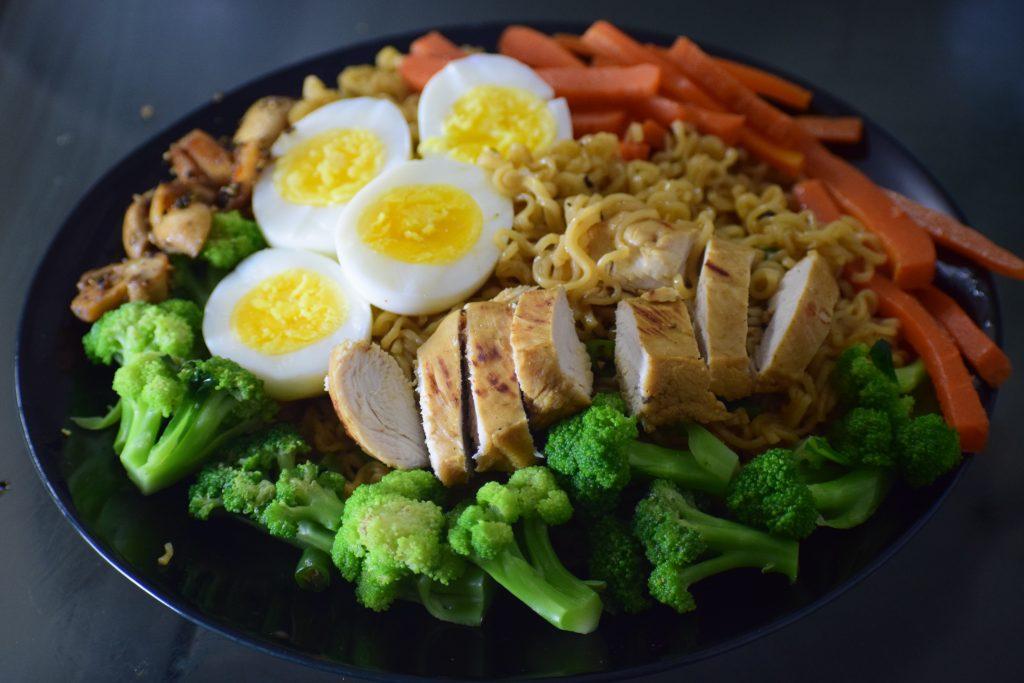
In which foods can we find proteins?
Proteins can be found in both plant-based and animal-based foods. The quality, also known as the biological value of the protein, is determined by its content of essential amino acids. A protein that contains all the essential amino acids in the right quantity and proportion is considered to have a high biological value.
We find proteins in animal-based products such as meats, eggs, fish, and dairy products (milk, yogurt, and cheese), and in plant-based products like legumes and grains.
Generally, sources of high biological value are mostly animal-based foods, although there are exceptions. For example, gelatin is of animal origin but does not contain the essential amino acid tryptophan, while soy protein is plant-based but contains all the essential amino acids (2).
If you don’t consume animal-based foods, you’ll need to incorporate protein from plant sources. To achieve a high biological value protein from plant sources, you’ll need to combine different foods, such as:
Legumes + Cereals: Legumes are high in lysine but deficient in methionine (a limiting amino acid), while cereals are rich in methionine but limited in lysine (a limiting amino acid).
The term “limiting amino acid” refers to the essential amino acid that is present in small or no quantities in the food. Therefore, by combining legumes with cereals, the deficient amino acid in one is complemented by the deficient amino acid in the other. This way, you provide your body with a complete protein containing all the essential amino acids.
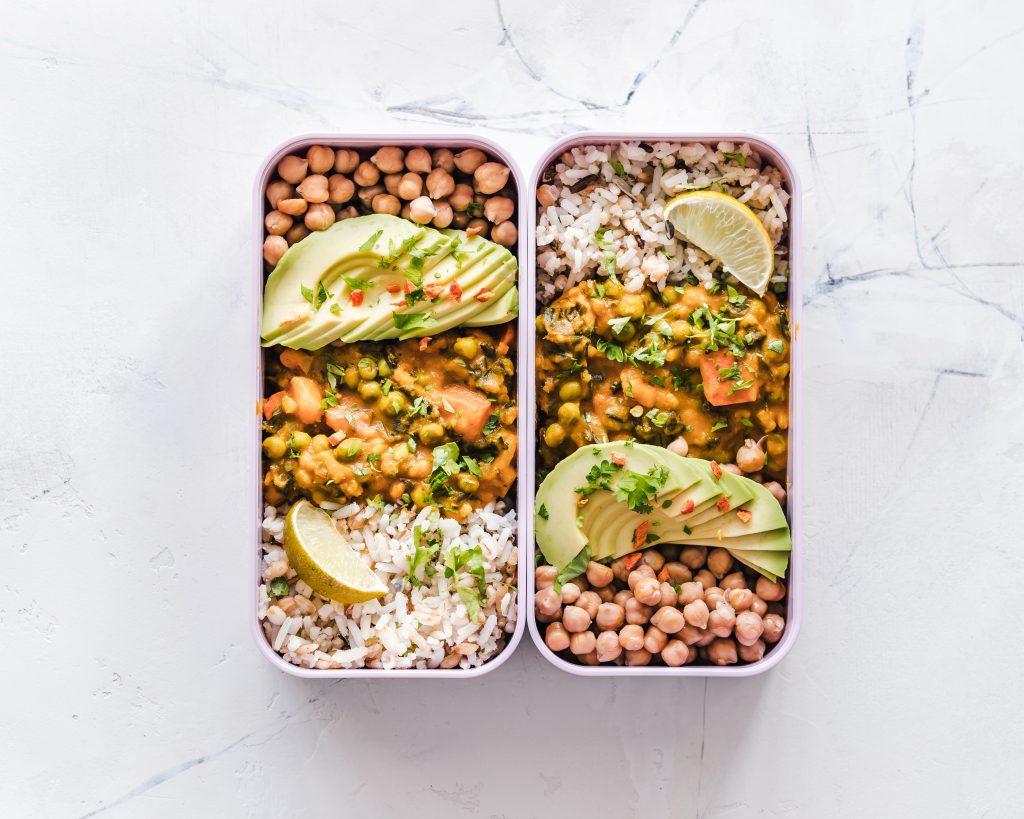
🍽️ You can find plenty of proteins in this beautiful tupperware, as well as in the lentil stew with white rice from any of our mothers.
So, how much protein should I consume?
Protein and amino acid requirements in humans depend on factors such as age, body size, physiological status, and the level of physical activity.
The amount of protein each person needs can vary greatly, but it is clear that a diet rich in protein helps:
- Promote healthy aging by preventing age-related sarcopenia (3).
- Prevent the loss of muscle mass and strength in older adults (3).
- Regulate appetite and control weight, as protein contributes to satiety (4).
- Improve athletic performance, due to the critical role of essential amino acids, particularly leucine, in muscle protein synthesis (5).
For individuals who engage in regular physical activity, protein intake needs to increase to compensate for protein breakdown during and after exercise, as well as to aid in tissue repair and muscle growth. The needs will depend on the type, intensity, and duration of exercise, though for most athletes, protein intake will typically range between 1.4-2g/kg of body weight per day (5).
Another situation where protein intake should increase is during pregnancy, especially in the third trimester, to support the synthesis of maternal and fetal tissues. A protein deficiency during pregnancy can have negative consequences, including delayed fetal growth (6).
For most people, consuming more than 2.5g/kg of protein does not lead to greater training adaptations or improved health, so 2.5g/kg can be considered the maximum protein intake.
This doesn’t mean that exceeding this limit is dangerous; rather, consuming an excess of protein offers no additional benefits because the excess protein is not stored but is oxidized and wasted. Additionally, protein degradation and synthesis are continuous processes (your body is performing both processes as you read this post), so protein intake should be spread throughout the day. Concentrating all protein intake in one meal is not an effective strategy. Ideally, 3-4 meals per day, each providing high biological value protein, would be suitable (7).
As you can see, proteins perform numerous functions in our body beyond tissue repair and are vital for maintaining good health. Moreover, it’s recommended to distribute protein intake throughout the day (3-4 servings) to maximize their benefits and avoid waste.
References
- [1] MacLaren D, Morton JP. Biochemistry for Sport and Exercise Metabolism 2012:58-86
- [2] Kurpad A V. Protein: Quality and Sources. Encycl Hum Nutr 2012;4-4:123-30.
- [3] Rogeri PS, Zanella R, Martins GL, Garcia MDA, Leite G, Lugaresi R, et al. Strategies to prevent sarcopenia in the aging process: Role of protein intake and exercise. Nutrients 2022;14:1-33.
- [4] Westerterp-Plantenga MS, Lemmens SG, Westerterp KR. Dietary protein – Its role in satiety, energetics, weight loss and health. Br J Nutr 2012;108:105-12.
- [5] Jäger R, Kerksick CM, Campbell BI, Cribb PJ, Wells SD, Skwiat TM, et al. International Society of Sports Nutrition Position Stand: Protein and exercise. J Int Soc Sports Nutr 2017;14:1-25.
- [6] Elango R, Ball RO. Protein and Amino Acid Requirements during Pregnancy. Adv Nutr 2016;7:839S-844S.
- [7] Schoenfeld BJ, Aragon AA. How much protein can the body use in a single meal for muscle-building? J Int Soc Sports Nutr 2018:4-9.