

GlucoTips to keep your blood sugar stable

Keeping our blood sugar levels stable is a beneficial tool for enjoying good health. Constant spikes and subsequent rapid drops throughout the day subject our body to metabolic stress and can increase the risk of metabolic diseases.
By establishing more stable values, we can control cravings, feel more energetic, improve fertility and sex hormones, stay more focused, and prevent type 2 diabetes, among other benefits.
At Glucovibes, we offer a glucose monitoring sensor to help understand how our body functions and keep us aware of our blood sugar levels at all times.
Do you want to enjoy all these benefits too?
We’re giving you some GlucoTips to help keep your blood sugar levels as stable as possible:
1. Plan your meals
The order of factors doesn’t alter the product”—until you measure your blood glucose after eating the same meal but in a different order and see that this saying doesn’t always hold true. For example, imagine a plate with salad, chicken breast, and a boiled potato. If you eat the salad first and then alternate between the chicken and the potato, your blood sugar curve will be a ‘normal’ upward trend. However, if you eat the potato first and then the salad and chicken, your curve will be much steeper.
Research has shown that consuming carbohydrates after other elements (fats, fiber, proteins) leads to lower blood glucose levels. Therefore, the ideal order would be to start with vegetables or protein and finish with carbohydrates.
These findings suggest that meals with the same carbohydrate content but eaten in different orders can help control postprandial glucose levels (after meals) and limit the amount of insulin needed to manage them (1).
2. Add a serving of vegetables to your plate
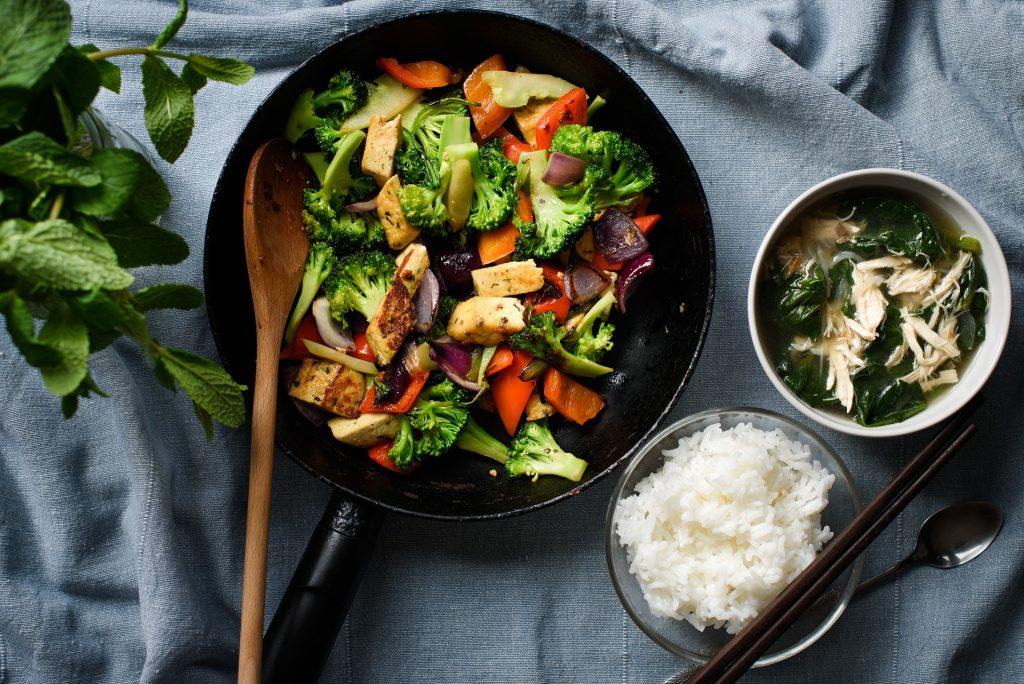
Vegetables are a food group rich in vitamins, minerals, and fiber. Fiber affects the speed of gastric emptying as well as the digestion and absorption of nutrients. Specifically, it slows the delivery and absorption of glucose in the intestine. Therefore, consuming fiber-rich foods results in a smaller increase in blood glucose levels and helps stabilize the glucose curve. Additionally, vegetables are very filling due to their water content.
You can include them raw or cooked, but keep in mind that eating them raw retains all their nutrients and vitamins. There are countless ways to add a green portion to your meal: salads, steamed vegetables, stir-fries, crudités, baked, or pureed. Dare to innovate! (2,3)
3. Avoid fruit juices
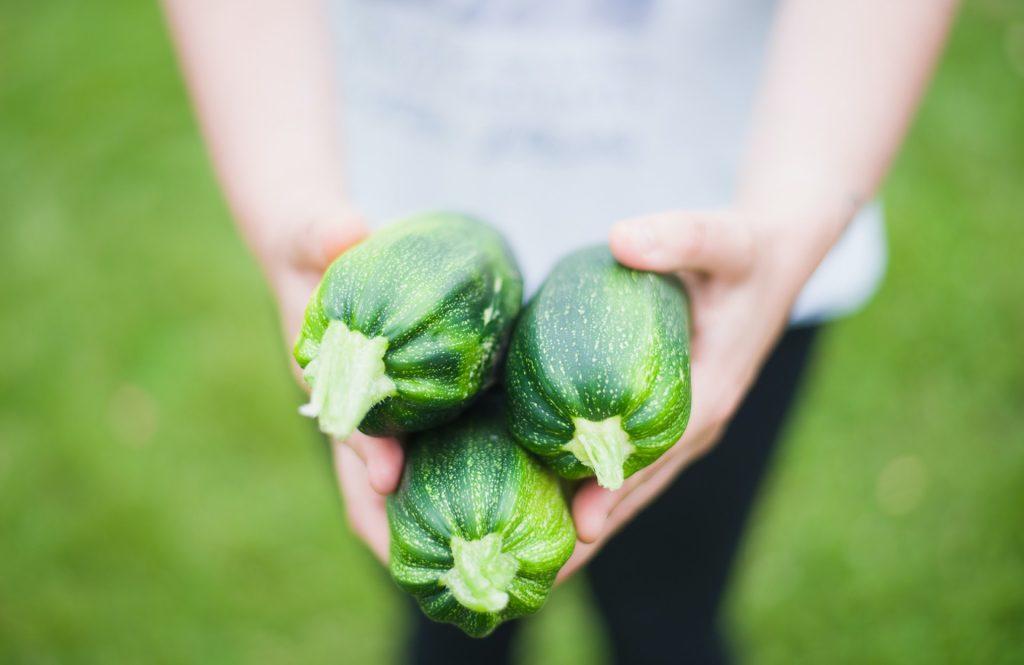
Vegetables are a fiber-rich food, but they’re not the only one! Fruit is also a high-fiber food group. However, when you make fruit juices, you remove all the fiber and end up with a drink high in free sugars.
To simplify: imagine the sugar in fruit, called fructose, is ‘trapped’ in the fiber (which is completely healthy in this form). When you juice the fruit and remove the fiber, the fructose is released and has the same glycemic impact as table sugar. Additionally, the spike caused by the juice will rise quickly and then drop just as fast, leading to hunger shortly after.
Therefore, we suggest you replace fruit juices with whole fruit.
4. Add vinegar to your daily routine
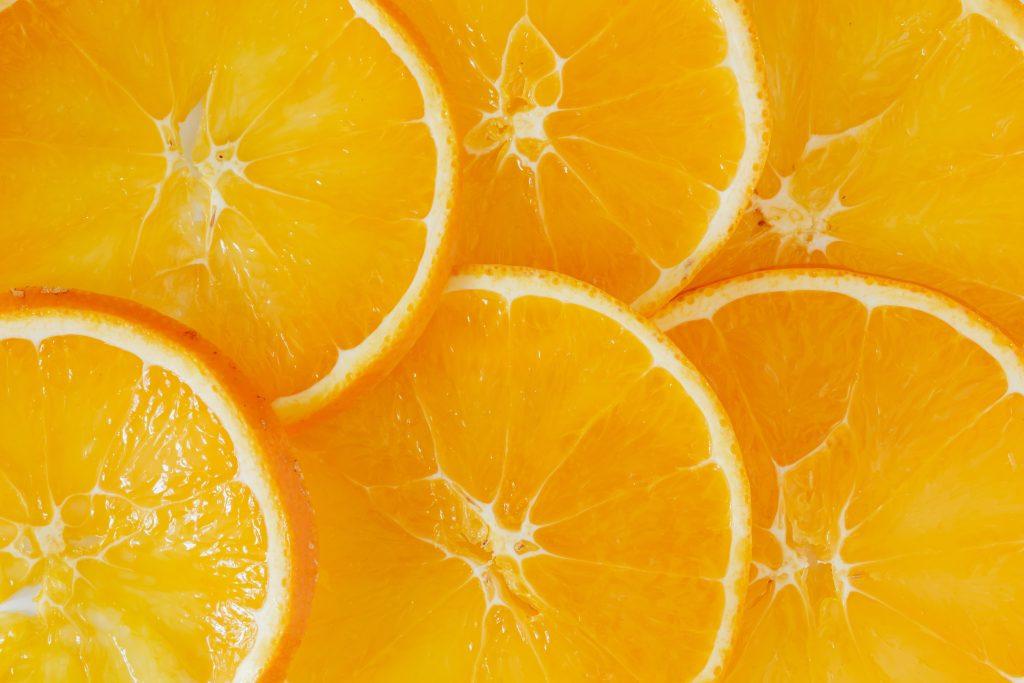
Several studies have found that acetic acid in vinegar plays an important role in regulating body weight and insulin sensitivity. It achieves this through its effects on appetite regulation, satiety hormones, lipid metabolism, energy expenditure, and glucose homeostasis.
Furthermore, these studies have concluded that adding vinegar to salads or drinking diluted vinegar before meals (a daring option) can reduce postprandial blood glucose levels by 20% (4,5).
5. Use your muscles after meals
After each meal, it’s natural for blood glucose levels to rise. This increase and its speed, as explained, will be influenced by the type of food and how the meal is balanced.
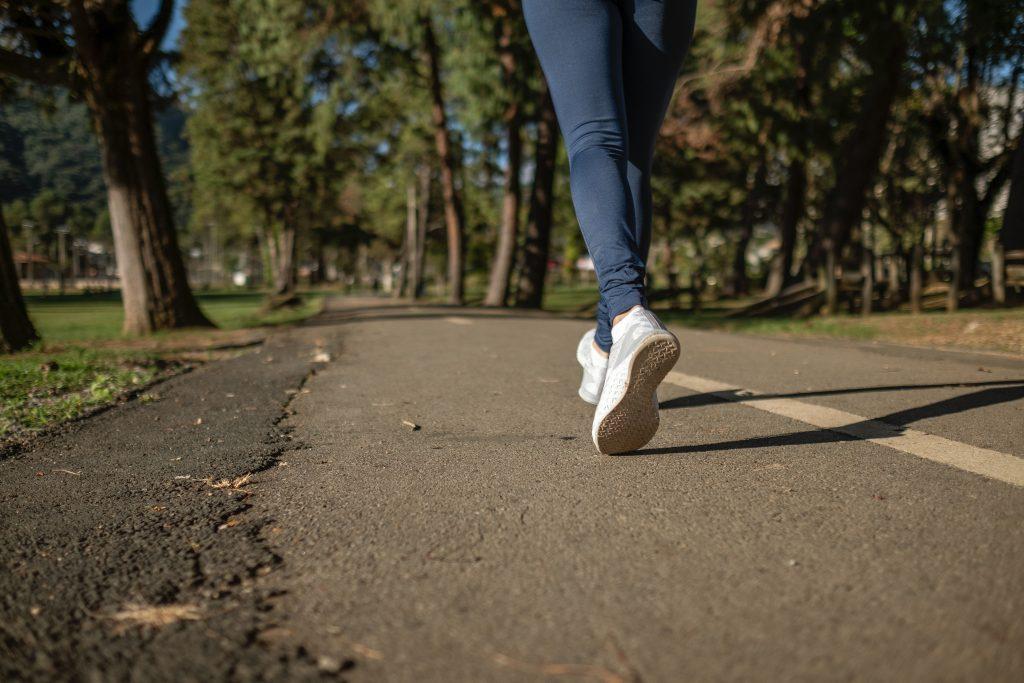
BUT: if you engage in physical activity right after eating—whether it’s going for a walk, running, or lifting weights—you’ll use your muscles, and the glucose from your meal will be the primary energy source for your muscle cells. Additionally, during exercise, glucose is absorbed through a physiological process that doesn’t require insulin.
6. Chill carbohydrates before eating them
Cooking and then cooling starchy foods in the refrigerator makes the starch resistant. As a result, it withstands digestion, remains intact throughout the gastrointestinal tract, and is fermented by the microbiota, acting as a prebiotic. This has been shown to provide physiological benefits related to health. For example, it modulates glucose metabolism, reducing postprandial blood glucose and insulin levels, and improving insulin sensitivity. The mechanisms explaining the regulation of blood glucose by resistant starch are likely related to a lower content of available carbohydrates for absorption. Therefore, glucose absorption will be slower, resulting in a less pronounced spike.
Starchy foods include potatoes, sweet potatoes, cassava, rice, couscous, quinoa, millet, legumes, and pasta.
💡 Try cooling carbohydrates before eating them.
7. Watch your carbohydrate timing
Evidence shows that glucose tolerance varies at different times of the day. It increases in the early hours and decreases as the day progresses, resulting in different glycemic responses depending on when you consume carbohydrates (6).
In addition to these GlucoTips for maintaining stable blood glucose levels, the best way to control it is by understanding and monitoring it thoroughly, as we do at Glucovibes. Learn to eat and maintain a healthy relationship with food to achieve optimal performance in your daily life.
References
- [1] Nishino K, Sakurai , Takeshita Y, Takamura. Consuming Carbohydrates after Meat or Vegetables Lowers Postprandial Excursions of Glucose and Insulin in Nondiabetic Subjects. Journal of Nutritional Science and Vitaminology. 2018; 64(5).
- [2] Mengozzi , Nesti L, Tricò. Impact of Nutrient Type and Sequence on Glucose Tolerance: Physiological Insights and Therapeutic Implications. Frontiers in Endocrinology. 2019; 10.
- [3] Alvarez J, Peña JP. Fibra dietética: efecto sobre el control glucémico y el metabolismo de los carbohidratos y lípidos. Revista Española Nutrición Comunitaria. 2007; 13.
- [4] Malca-Diaz JF, Díaz-Manchay RJ. Análisis de la concentración de ácido acético de seis marcas de vinagre de manzana. Medicina naturista. 2020; 14(2).
- [5] O Santos , de Moraes WMAM, da Silva GAR, Prestes , Schoenfeld BJ. Vinegar (acetic acid) intake on glucose metabolism: A narrative review. Clinical Nutrition ESPEN. 2019; 32
- [6] Leung GKW, Huggins CE, Ware RS, Bonham MP. Time of day difference in postprandial glucose and insulin responses: Systematic review and meta-analysis of acute postprandial studies. Chronobiology international. 2020; 37(3)