

What are ultra-processed foods and how to identify them
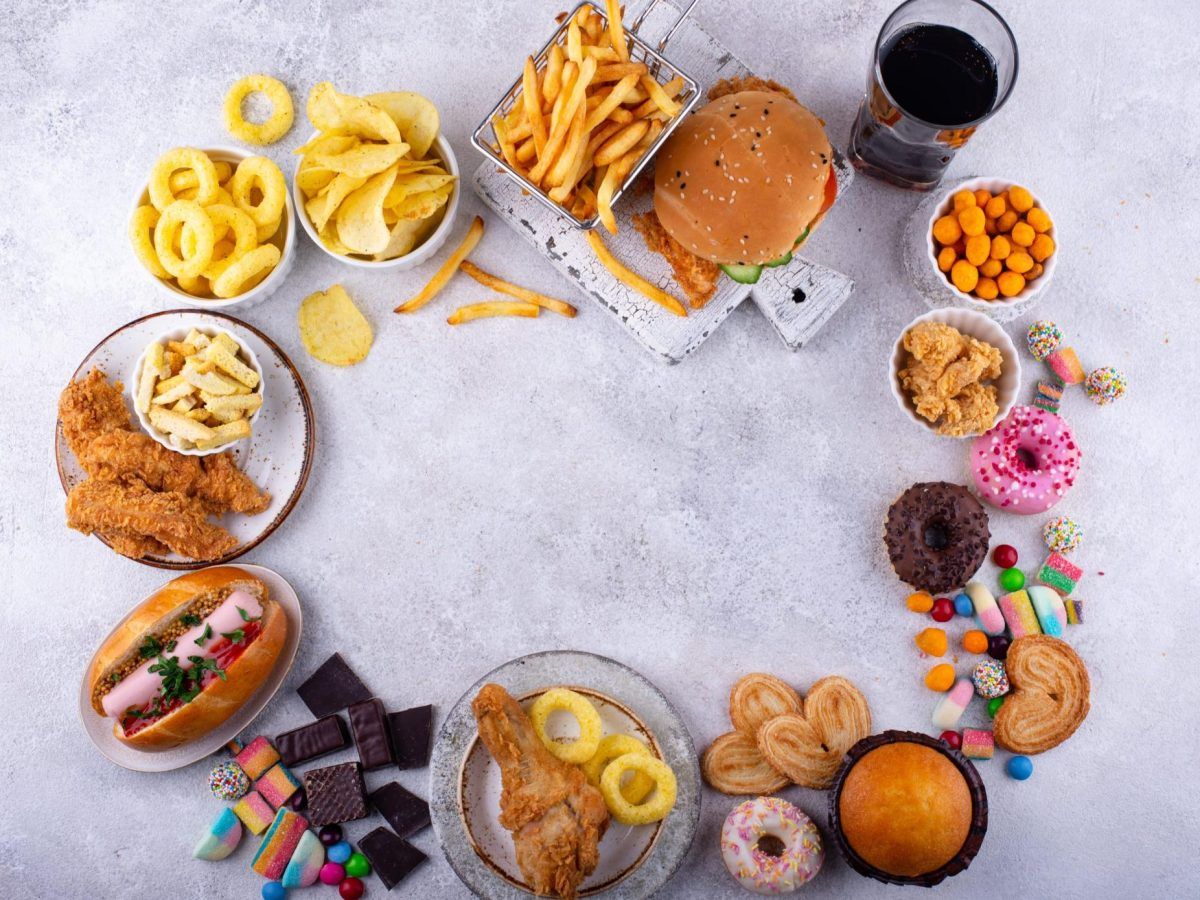
Hi Vibers! How are you doing? Today we’re here to talk about a type of food that you all know and many of you consume daily: ultra-processed foods.
These foods have been on supermarket shelves for a long time and have become a regular part of our diets. With this, we’ve also started to label them as “bad” foods and associate them with various health issues. But what exactly are these foods? How can we identify them? How do they affect our health? Keep reading, and we’ll explain it all!
Food classification
In recent years, there has been an evolution in the food industry, leading to the development of new systems for classifying foods, one of which is the NOVA system.
This system classifies foods into 4 groups based on the level of industrial processing they undergo:
GROUP 1: Unprocessed or minimally processed foods
In this first group are unprocessed foods, meaning natural ones. These include edible parts of plants and animals, as well as fungi, algae, and water. It also encompasses foods that have undergone transformation but without the addition of any substances to the original product (such as removing inedible parts, drying, grinding, roasting, boiling, pasteurizing, freezing, or skimming).
GROUP 2: Processed culinary ingredients
This group includes processed culinary ingredients, which are substances derived from Group 1 through processes such as pressing, refining, grinding, and drying. Examples include oils, butters, salt, and sugar.
GROUP 3: Processed foods
These are versions of natural foods to which processed culinary ingredients are added to enhance their preservation or palatability. Most of them have two or three ingredients (such as cheeses, breads, canned legumes or vegetables, canned fish, fruit in syrup, etc.).
Depending on the ingredients they contain, these foods can be considered more or less nutritionally interesting.
GROUP 4: Ultraprocessed foods
In this group, we find foods that are not simply modified but are formulated from substances derived from foods and additives (such as pastries, sauces, ice creams, processed meats, industrial breads, and cookies). They typically come ready to eat and require little or no preparation.

But… why do we like them so much?
In many people’s diets, ultra-processed foods are a daily presence due to their low price, easy preparation, and highly appealing taste.
These foods often contain high levels of fat, salt, sugar, and artificial flavorings, giving them intense flavors that make them extremely tempting. This palatability can override the body’s natural satiety signals, making it difficult to stop eating them. Additionally, they generate feelings of pleasure and well-being, which further increases the desire to consume them.
What are the health consequences of consuming them?
As mentioned, ultra-processed foods contain poor-quality fats, sugar, salt, and artificial additives, which have negative health impacts. They are also energy-dense and have a high glycemic index.
Given their nutritional profile, consuming these foods not only displaces healthier, nutrient-rich, lower-calorie options but also contributes to weight gain and promotes unhealthy eating habits.
Consequently, ultra-processed foods are linked to various health issues, including obesity, overweight, cardiometabolic risks, diabetes, cardiovascular diseases, irritable bowel syndrome, cancer, and depression. Evidence suggests that a high consumption of these foods is associated with increased mortality risk.
How to identify ultra-processed foods?
Since the food industry is not required to disclose the processes used in making a product, identifying ultra-processed foods can sometimes be challenging. Generally, the more ingredients a product has, the more processed it is.
The most practical method to recognize them is by checking the ingredient list for substances that are rarely or never used in home cooking or for additives that enhance the product’s palatability and appeal (such as hydrogenated oils, modified starches, refined flours, glucose syrup, fructose, colorants, etc.).
🧐 Remember: foods with less advertising often offer the greatest health benefits.
Conclusions
We currently have many food options available, including ultra-processed foods, which have become quite popular due to their appealing sensory characteristics and convenience. However, it’s important to remember that these foods are low in nutrients and can have negative health consequences.
Check the ingredient list to avoid or reduce consumption of these foods and focus on natural, nutrient-rich options. We hope this post has helped you better distinguish these products, but if you have any questions, don’t hesitate to contact us!
References
- [1] Monteiro CA, Cannon G, Moubarac JC, Levy RB, Louzada MLC, Jaime PC. The UN Decade of Nutrition, the NOVA food classification and the trouble with ultra-processing. Public health nutrition. 2018; 21(1), 5–17.
- [2] Juul F, Martinez-Steele E, Parekh N, Monteiro CA, Chang VW. Ultra-processed food consumption and excess weight among US adults. The British journal of nutrition. 2018; 120(1), 90–100.
- [3] LaFata EM, Gearhardt AN. Ultra-Processed Food Addiction: An Epidemic? Psychotherapy and psychosomatics. 2022;91(6), 363–372.
- [4] Lustig RH. Ultraprocessed Food: Addictive, Toxic, and Ready for Regulation. Nutrients. 2020; 12(11), 3401.
- [5] Martí Del Moral A, Calvo C, Martínez A. Consumo de alimentos ultraprocesados y obesidad: una revisión sistemática. Nutrición hospitalaria. 2021;38(1), 177–185.